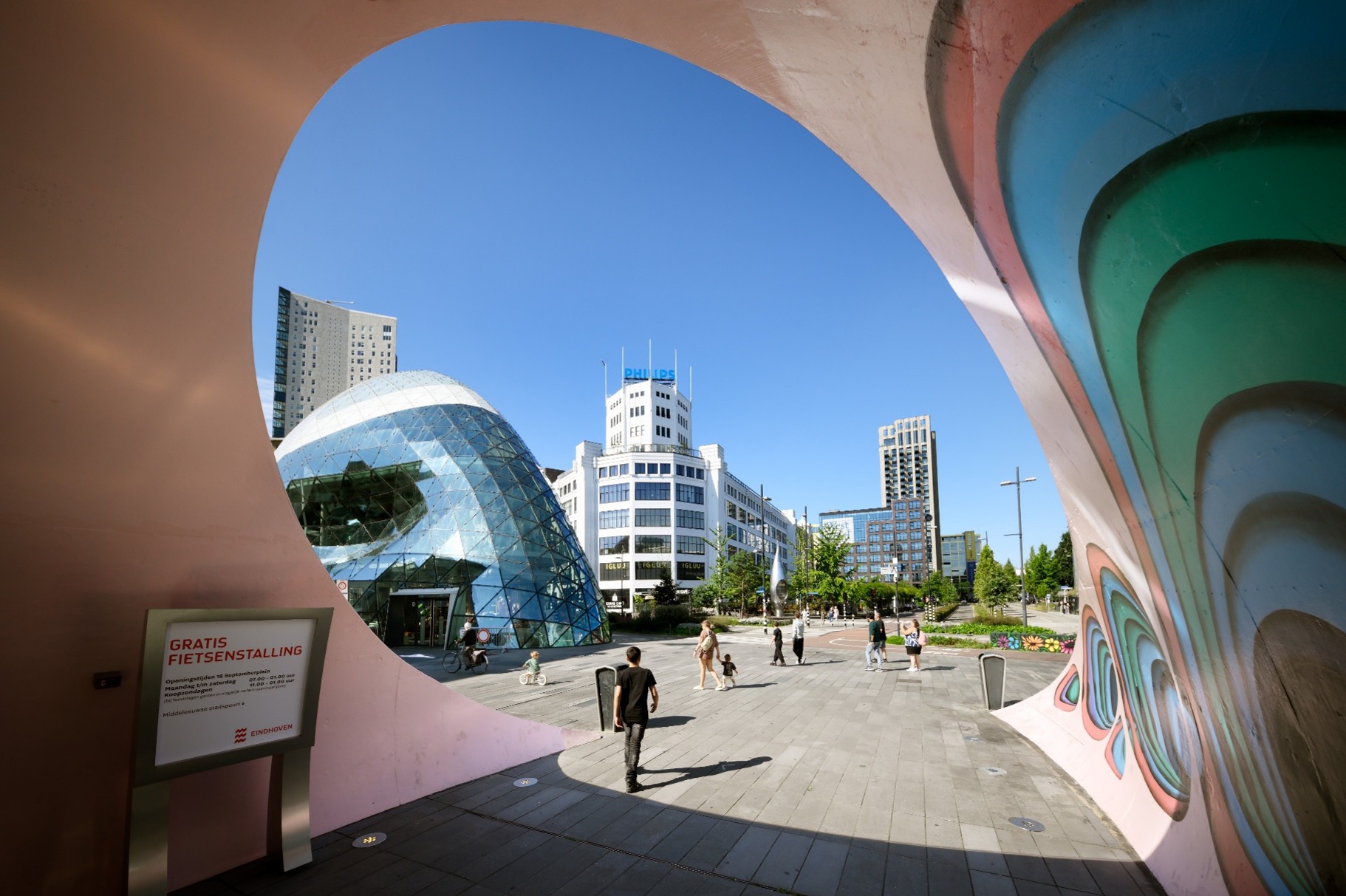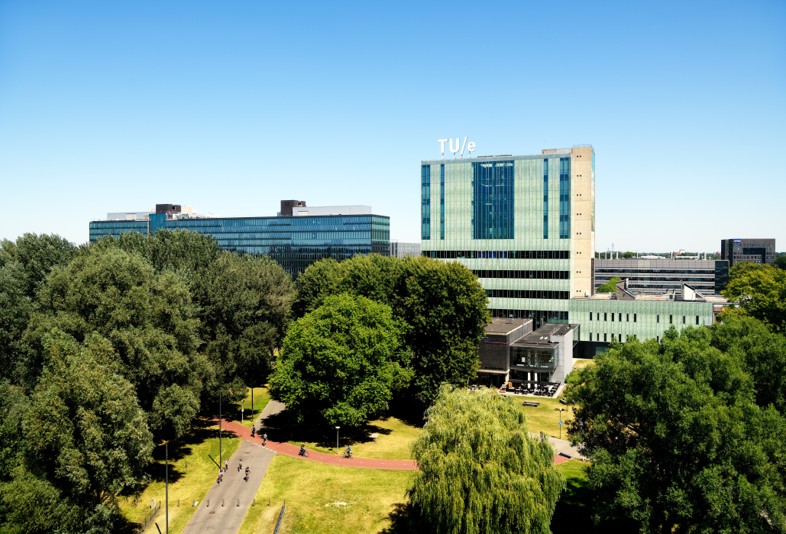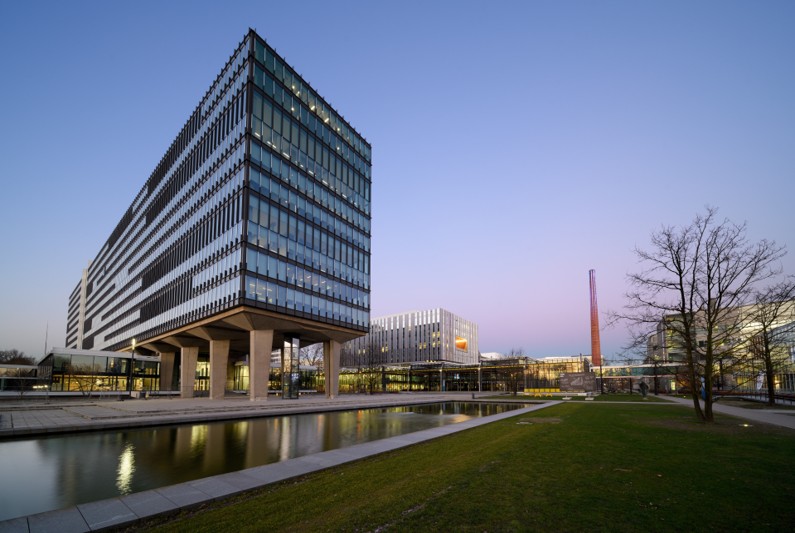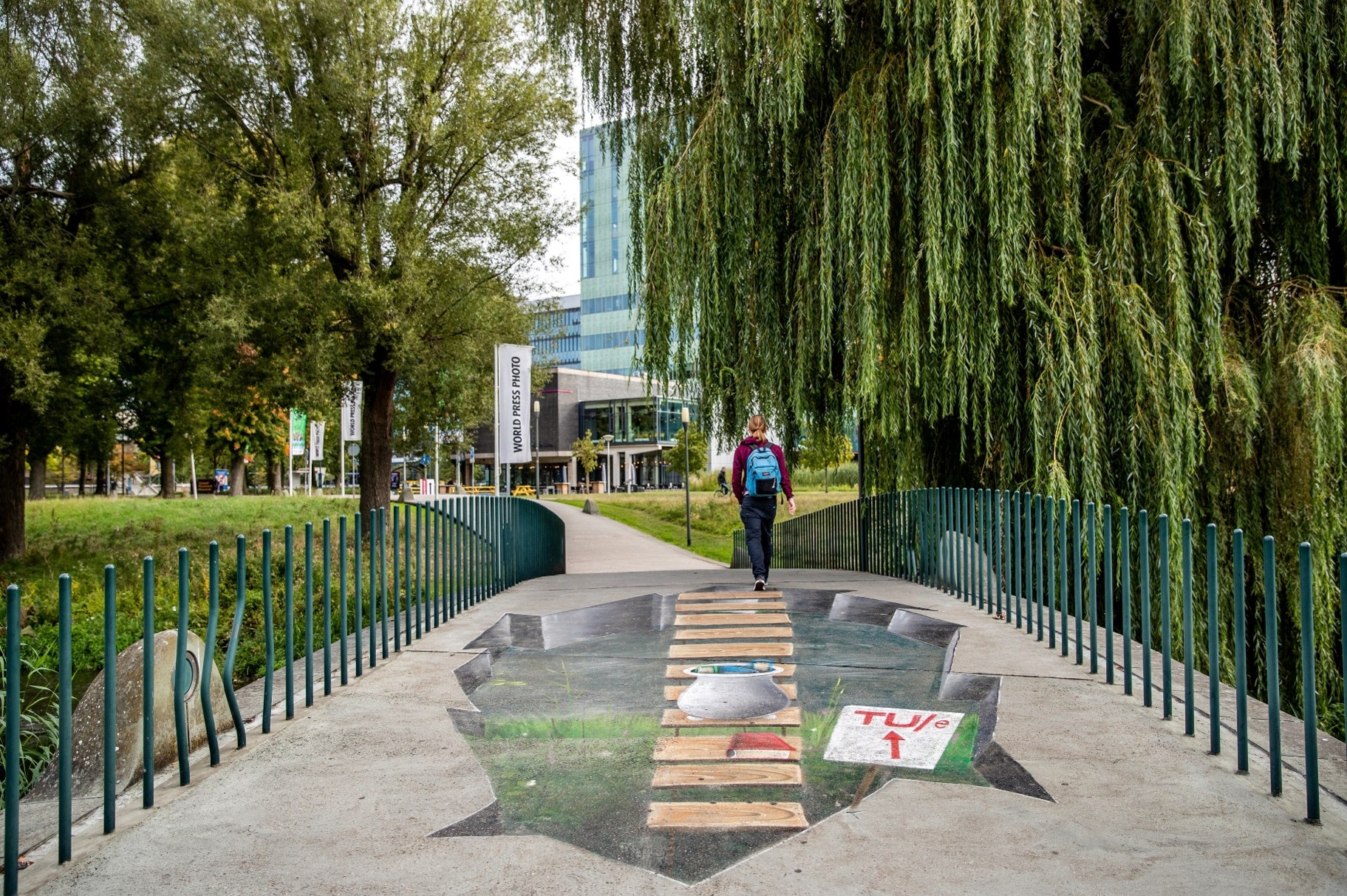
The 3rd International Conference on Highly Flexible Slender Structures will be held between 13th and 17th of September 2027 at Eindhoven University of Technology, Eindhoven, The Netherlands.
The distinctive focus of the conference is on structural systems and its parts or elements which are both (i) highly flexible, i.e. exposed to large overall structural deformation and (ii) slender, i.e. characterised by a geometry with at least one structural dimension considerably smaller than the other two as in the case of non-linear rod and shell models.
The conference aims to attract a wider research community working in the areas of mechanical modelling, mathematical formulations, and numerical methods for highly flexible slender structures. It is open to both engineers and mathematicians, bringing together major challenges in theoretical and numerical analysis, industrial applications, and open-source simulation software development. Topics of interest include advanced concepts in experimental and theoretical structural mechanics, contact problems and non-smooth dynamics, computational methods in structural mechanics, including numerical time integration methods.
Beyond these core methodological developments, the conference also targets applications across a broad range of engineering domains where highly flexible slender structures play a key role. These include civil and offshore engineering systems such as cable structures, suspension bridges, mooring lines, and risers, as well as aerospace applications involving deployable and inflatable structures, antenna systems, and spacecraft components. In mechanical and automotive engineering, relevant applications arise in cable harnesses, flexible multibody systems, and articulated mechanisms with slender components. The conference is also relevant to emerging fields such as soft robotics and bio-inspired engineering, where highly deformable slender elements are essential for actuation and sensing. In addition, biomechanical applications involving tendons, ligaments, blood vessels, and other filament-like biological structures further motivate advanced modelling and simulation approaches.